
مرچنٹ نیوی
فہرستِ مضامین
مرچنٹ نیوی میں کیسے شامل ہوں
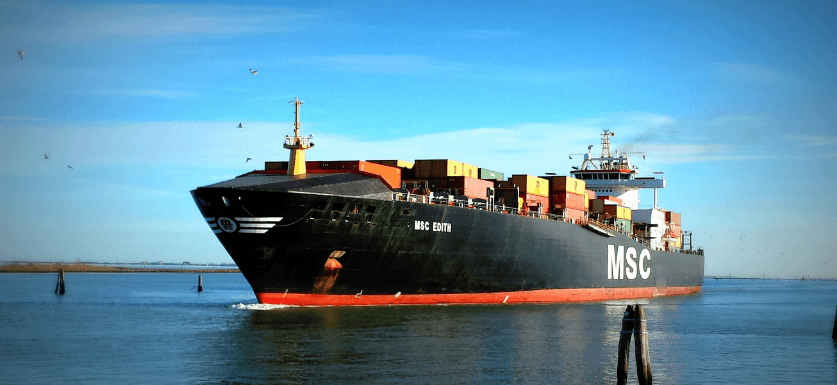
کیریئر کے بارے میں
مرچنٹ نیوی سمندر میں ایک مہم جویانہ کیریئر پیش کرتی ہے، جہاں دنیا کی 90% تجارت ڈھونے والے تجارتی جہاز چلائے اور سنبھالے جاتے ہیں۔
مرچنٹ نیوی کے افسران مال بردار جہازوں، ٹینکروں، کروز لائنرز اور دیگر تجارتی جہازوں کے محفوظ اور مؤثر آپریشن کے ذمہ دار ہوتے ہیں۔ یہ کیریئر ایک منفرد بحری ماحول میں تکنیکی مہارت اور قائدانہ صلاحیتوں کو یکجا کرتا ہے۔
عالمی تجارت بڑھنے کے ساتھ جہاز رانی کی صنعت کو تربیت یافتہ افسران کی بڑھتی طلب کا سامنا ہے۔ انٹرنیشنل چیمبر آف شپنگ کے اندازے کے مطابق 2026 تک 89,000 نئے افسران درکار ہوں گے۔
یہ کیریئر ٹیکس فری تنخواہیں، دنیا بھر کا سفر اور ایک اہم عالمی صنعت کی خدمت کے ساتھ جدید ترین بحری ٹیکنالوجی پر کام کرنے کا موقع دیتا ہے۔
کیریئر کے مواقع
ڈیک آفیسر
جہاز چلانا اور ڈیک کے امور سنبھالنا (تھرڈ سے چیف آفیسر تک ترقی)۔
میرین انجینئر
جہاز کے مشینی نظاموں کی دیکھ بھال اور آپریشن (فورتھ سے چیف انجینئر تک)۔
الیکٹرو ٹیکنیکل آفیسر
جہازوں پر برقی اور الیکٹرانک نظاموں کا انتظام کرنا۔
کروز شپ آفیسر
مسافر بردار جہازوں پر مہمان نوازی یا تفریح کے شعبوں میں کام کرنا۔
آف شور سپورٹ ویسل آفیسر
تیل/گیس پلیٹ فارمز یا ونڈ فارمز کی معاونت کرنے والے جہازوں پر خدمات انجام دینا۔
کارگو سپرنٹنڈنٹ
ساحل سے شپنگ کمپنیوں کے مال بردار امور کی نگرانی کرنا۔
میرین پائلٹ
مشکل بندرگاہوں اور آبی راستوں سے جہازوں کی رہنمائی کرنا۔
کردار اور ذمہ داریاں
نیویگیشن اور آپریشنز
- جہاز کی محفوظ نیویگیشن کی منصوبہ بندی اور عمل درآمد کرنا
- واچ کے نظام الاوقات اور برج آپریشنز برقرار رکھنا
- موسم اور سمندری حالات کی نگرانی کرنا
- ریڈار، جی پی ایس اور دیگر نیویگیشن آلات چلانا
- مال چڑھانے/اتارنے کے امور سنبھالنا
انجینئرنگ کی ذمہ داریاں
- محرکہ اور معاون مشینری کی دیکھ بھال کرنا
- معمول کی دیکھ بھال اور مرمت کرنا
- ایندھن کے استعمال اور کارکردگی کی نگرانی کرنا
- مشینی/برقی خرابیوں کا ازالہ کرنا
- ماحولیاتی ضوابط کی پابندی یقینی بنانا
حفاظت اور تعمیل
- حفاظتی مشقیں اور تربیت کرانا
- بین الاقوامی بحری ضوابط نافذ کرنا
- جہاز کی دستاویزات اور لاگ برقرار رکھنا
- ہنگامی صورتحال سنبھالنا
- خطرناک اشیا کی مناسب سٹوریج یقینی بنانا
درکار بنیادی مہارتیں
تکنیکی مہارتیں
- جہاز کی نیویگیشن اور حرکت کا انتظام
- بحری انجینئرنگ نظاموں کا علم
- الیکٹرانک چارٹ ڈسپلے سسٹم (ECDIS)
- ہنگامی آلات کا استعمال
- مال برداری کے طریقہ کار
تجزیاتی مہارتیں
- واچ کیپنگ اور برج کے طریقہ کار
- تصادم سے بچاؤ کے ضوابط (COLREGs)
- موسمیات اور بحریات کی بنیادی باتیں
- جہاز کے توازن کے حسابات
- بندرگاہی امور کا علم
پیشہ ورانہ مہارتیں
- قیادت اور ٹیم ورک
- بحران کا انتظام
- محدود جگہوں میں ڈھلنے کی صلاحیت
- ثقافتی حساسیت
- دباؤ کا انتظام
خوبیاں اور خامیاں
خوبیاں
- ٹیکس فری تنخواہوں کے ساتھ زیادہ آمدنی کا امکان
- دنیا بھر میں سفر کا موقع
- کیریئر میں جلد ترقی اور ذمہ داری
- سمندر میں رہتے ہوئے کم سے کم اخراجات
- عالمی طلب کے ساتھ مضبوط ملازمتی تحفظ
خامیاں
- خاندان سے طویل دوری (4-6 ماہ)
- ہر موسم میں مشکل کام کے حالات
- 24/7 کام کے تقاضے
- جہاز پر محدود ذاتی جگہ
- مسلسل اسناد کی تجدید درکار