
ہومیوپیتھی
فہرستِ مضامین
ہومیوپیتھی میں کیریئر کیسے بنائیں
کیریئر کے بارے میں
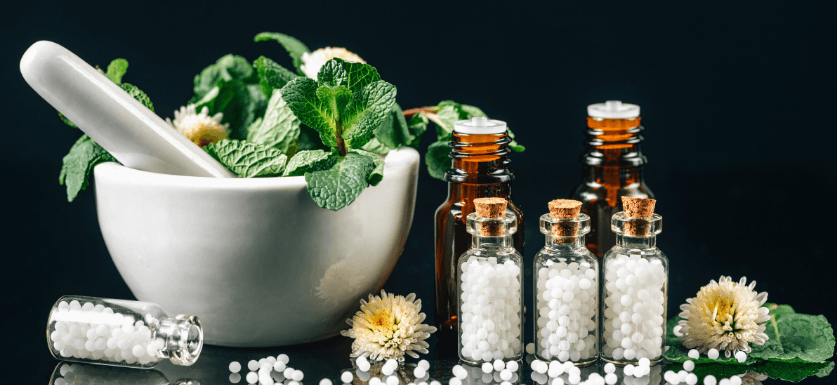
ہومیوپیتھی اٹھارہویں صدی کے اواخر میں سیموئل ہانیمن کا وضع کردہ مجموعی نظامِ طب ہے، جو 'مثل کا علاج مثل سے' کے اصول پر قائم ہے۔ اس میں جسم کی خود شفایابی کو ابھارنے کے لیے نہایت رقیق قدرتی مادے استعمال ہوتے ہیں۔
ہومیوپیتھک معالج جسمانی، جذباتی اور ذہنی علامات سمجھنے کے لیے مریض سے تفصیلی گفتگو کرتے ہیں، پھر انفرادی نوعیت کی دوا تجویز کرتے ہیں۔ یہ شعبہ روایتی طب کے اجزا کو مریض کی مجموعی نگہداشت سے ملاتا ہے۔
عالمی ہومیوپیتھی منڈی 14.3% سالانہ شرح سے بڑھتے ہوئے 2028 تک 17.4 ارب ڈالر تک پہنچنے کی توقع ہے۔ بھارت میں 250,000 سے زائد رجسٹرڈ ہومیوپیتھک ڈاکٹر ہیں اور یہ نظام سرکاری طور پر تسلیم شدہ اور قومی صحت پروگراموں کا حصہ ہے۔
کیریئر کے مواقع
ہومیوپیتھک معالج (BHMS):
BHMS مکمل کرنے کے بعد نجی کلینکس، اسپتالوں یا تندرستی مراکز میں کلینیکل ہومیوپیتھی کی پریکٹس کرنا۔
اطفالی ہومیوپیتھ:
نرم ہومیوپیتھک ادویات سے بچوں کے صحت مسائل کے علاج میں مہارت رکھنا۔
ویٹرنری ہومیوپیتھ:
ویٹرنری کلینکس یا پالتو جانوروں کے مراکز میں جانوروں کے علاج پر ہومیوپیتھک اصول لاگو کرنا۔
ہومیوپیتھک فارماسسٹ:
میڈیکل اسٹورز یا کارخانوں میں ہومیوپیتھک ادویات تیار اور فراہم کرنا۔
تحقیقی ہومیوپیتھ:
تحقیقی اداروں میں ہومیوپیتھک ادویات پر کلینیکل ٹرائلز اور مطالعات کرنا۔
کارپوریٹ تندرستی مشیر:
کارپوریٹ ماحول میں دباؤ کے انتظام اور طرزِ زندگی کے امراض کے لیے ہومیوپیتھک حل فراہم کرنا۔
کردار اور ذمہ داریاں
مریض سے مشاورت
- تفصیلی کیس لینا (60-90 منٹ کی ابتدائی مشاورت)
- جسمانی، جذباتی اور ذہنی علامات کا مجموعی تجزیہ کرنا
- مریض کی طبی تاریخ اور طرزِ زندگی کے عوامل کا مطالعہ کرنا
- دوا کے انتخاب کے لیے خاص علامات کی نشاندہی کرنا
علاج کی منصوبہ بندی
- علامات کی مماثلت کی بنیاد پر موزوں ادویات منتخب کرنا
- ہومیوپیتھک ادویات کی طاقت اور خوراک متعین کرنا
- انفرادی نوعیت کے علاجی ضوابط بنانا
- فالو اپ مشاورتوں سے پیش رفت کی نگرانی کرنا
صحت کی تعلیم
- مریضوں کو ہومیوپیتھک اصولوں سے آگاہ کرنا
- طرزِ زندگی اور غذائی تبدیلیوں پر مشورہ دینا
- شفایابی کے عمل اور ممکنہ عارضی شدت کی وضاحت کرنا
- برادری میں آگاہی پروگرام کرانا
درکار بنیادی مہارتیں
تکنیکی مہارتیں
- میٹیریا میڈیکا کا گہرا علم (700+ ادویات)
- آرگنن آف میڈیسن کے اصولوں کا فہم
- ریپرٹرائزیشن (علامات کے تجزیے) میں مہارت
- ادویات کے باہمی تعلق اور تریاق کا علم
تجزیاتی مہارتیں
- بہترین مشاہدہ اور سننے کی مہارت
- خاص علامات پہچاننے کی صلاحیت
- امتیازی تشخیص کے لیے روایتی طب کا علم
- یہ سمجھنا کہ کب ایلوپیتھک علاج کی طرف بھیجنا ہے
پیشہ ورانہ مہارتیں
- ہومیوپیتھک شفایابی کے عمل کے لیے صبر
- ہمدردی اور مضبوط باہمی روابط کی مہارت
- تفصیلی کیس ریکارڈ رکھنے کی صلاحیت
- نجی پریکٹس کے لیے کاروباری انتظام
خوبیاں اور خامیاں
خوبیاں
- نرم اور غیر مداخلتی طب کی پریکٹس کی صلاحیت
- متبادل طب کی بڑھتی عالمی قبولیت
- مریضوں کی مجموعی بہتری کا اطمینان
- علاج کے کم سے کم مضر اثرات
- نجی پریکٹس قائم کرنے کی آزادی
خامیاں
- 5.5 سال کی سخت تعلیم (BHMS ڈگری)
- مرکزی طبی حلقوں کی جانب سے شکوک
- مریضوں کو ہومیوپیتھک فلسفے سے آگاہ کرنے کی ضرورت
- پریکٹس کے ابتدائی برسوں میں غیر مستقل آمدنی
- بعض ممالک میں محدود انشورنس کوریج