
خوراک اور زراعت
فہرستِ مضامین
خوراک اور زراعت میں کیریئر کیسے بنائیں
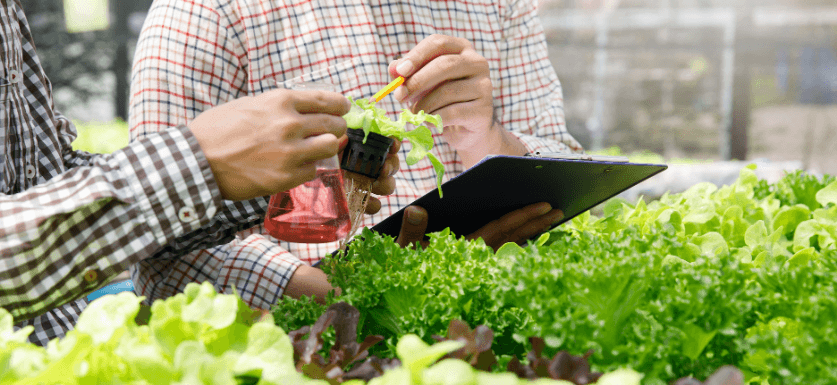
کیریئر کے بارے میں
خوراک اور زراعت کا شعبہ جدید ترین ٹیکنالوجی کے ساتھ کام کرتے ہوئے غذائی تحفظ، پائیداری اور غذائیت کے عالمی مسائل حل کرنے کے متنوع مواقع دیتا ہے۔
اس شعبے کے ماہرین پوری غذائی زنجیر میں کام کرتے ہیں — پائیدار کاشتکاری اور خوراک کی پیداوار سے لے کر پروسیسنگ، تقسیم اور جدید غذائی ٹیکنالوجیز تک۔ یہ صنعت بڑھتی آبادی کو خوراک دینے کے لیے روایتی طریقوں کو جدید سائنس سے ملاتی ہے۔
اقوامِ متحدہ کے اندازے کے مطابق 2050 تک دنیا کو 60% زیادہ خوراک پیدا کرنی ہوگی، جس سے ہنرمند ماہرین کی بھرپور طلب پیدا ہو رہی ہے۔ کیریئر زرعی سائنس اور فوڈ ٹیکنالوجی سے لے کر زرعی کاروبار کے انتظام اور پائیدار کاشتکاری تک پھیلے ہیں۔
یہ شعبہ درست زراعت، عمودی کاشتکاری اور متبادل پروٹینز جیسی جدید ٹیکنالوجیز کے ساتھ کام کرتے ہوئے غذائی تحفظ میں حصہ ڈالنے کا اطمینان دیتا ہے۔
کیریئر کے مواقع
زرعی سائنسدان:
فصلوں کی بہتری، مٹی کی صحت اور پائیدار کاشتکاری کے طریقوں پر تحقیق کرنا۔
فوڈ ٹیکنالوجسٹ:
نئی غذائی مصنوعات تیار کرنا اور پروسیسنگ کے طریقے بہتر بنانا۔
زرعی کاروبار منیجر:
زرعی کارروائیوں اور خوراک کی پیداوار کے کاروبار کی نگرانی کرنا۔
درست زراعت کا ماہر:
ڈرونز اور AI کے ذریعے ٹیکنالوجی پر مبنی زرعی حل نافذ کرنا۔
زرعی انجینئر:
جدید کاشتکاری کے لیے مشینری اور نظام ڈیزائن کرنا۔
غذائی حفاظت کا انسپکٹر:
غذائی حفاظت کے ضوابط کی پابندی یقینی بنانا۔
پائیدار زراعت کا مشیر:
کھیتوں کو ماحول دوست اور بحالی والے طریقوں پر مشورہ دینا۔
کردار اور ذمہ داریاں
تحقیق و ترقی
- میدانی آزمائشیں اور لیبارٹری تجربات کرنا
- بہتر فصلوں کی اقسام یا غذائی مصنوعات تیار کرنا
- زرعی مواد اور غذائی اجزا کی جانچ کرنا
- ڈیٹا کا تجزیہ کرنا اور نتائج شائع کرنا
- پائیدار کاشتکاری کی تکنیکیں نافذ کرنا
پیداوار اور آپریشنز
- فارم کے امور یا فوڈ پروسیسنگ پلانٹس سنبھالنا
- معیار کی جانچ کے عمل کی نگرانی کرنا
- غذائی حفاظت کے معیارات نافذ کرنا
- پیداواری کارکردگی بہتر بنانا
- رسد کی زنجیر کا انتظام کرنا
کاروبار اور پالیسی
- زرعی پالیسیاں وضع کرنا
- زرعی مصنوعات کی مارکیٹنگ کرنا
- کسانوں کو تعلیم اور تربیت دینا
- زرعی مالیات سنبھالنا
- غذائی تحفظ کے پروگرام نافذ کرنا
درکار بنیادی مہارتیں
تکنیکی مہارتیں
- پودوں/جانوروں کی سائنس کا علم
- غذائی کیمیا اور خرد حیاتیات
- زرعی ٹیکنالوجی کا استعمال
- ڈیٹا تجزیہ اور جی آئی ایس اطلاقات
- لیبارٹری تکنیکیں
تجزیاتی مہارتیں
- فارم کے انتظام کے طریقے
- خوراک کی پروسیسنگ کی تکنیکیں
- معیار کی جانچ کے طریقہ کار
- رسد کی زنجیر کا انتظام
- پائیداری کا جائزہ
پیشہ ورانہ مہارتیں
- بدلتے حالات میں مسائل کا حل
- تکنیکی تبدیلیوں میں ڈھلنے کی صلاحیت
- مختلف فریقوں سے رابطہ
- منصوبے کا انتظام
- کاروباری سمجھ بوجھ
خوبیاں اور خامیاں
خوبیاں
- عالمی غذائی مسائل حل کرنے والا بامعنی کام
- کھیت سے لیبارٹری تک متنوع کیریئر راستے
- ہنرمند ماہرین کی بڑھتی طلب
- جدید ٹیکنالوجیز کے ساتھ کام کا موقع
- بین الاقوامی کام کے مواقع کا امکان
خامیاں
- جسمانی طور پر محنت طلب کام ہو سکتا ہے
- بعض کرداروں میں موسمی دباؤ
- میدانی عہدوں میں موسمی عوامل کا سامنا
- تکنیکی ترقی کے باعث مسلسل سیکھنے کی ضرورت
- بعض شعبوں پر منڈی کے اتار چڑھاؤ کا اثر