
Veterinary Medicine
Table of Content
How to Build a Career in Veterinary Medicine
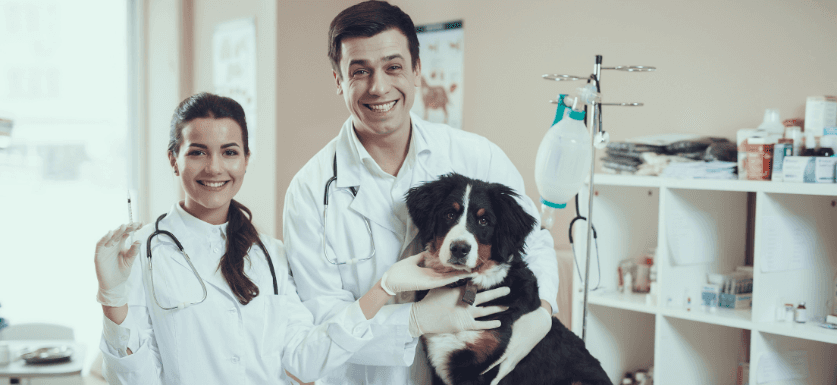
About the Career
Veterinary medicine is the branch of medicine that deals with the prevention, diagnosis, and treatment of disease, disorder, and injury in animals. Veterinarians provide medical care to a wide range of animals, from household pets to livestock and wildlife.
This field combines medical science with animal care, requiring knowledge of animal physiology, pathology, pharmacology, and surgery. Veterinarians work in private clinics, hospitals, research institutions, zoos, and government agencies to ensure animal health and welfare.
Employment of veterinarians is projected to grow 19% from 2021-2031, much faster than the average for all occupations. The increasing pet ownership and demand for veterinary services are driving this growth.
Career Opportunities
Small Animal Veterinarian:
Provide medical care to companion animals like dogs and cats in private veterinary clinics or animal hospitals.
Large Animal Veterinarian:
Work with farm animals such as cattle, horses, pigs, and sheep, often traveling to farms and ranches to provide care.
Veterinary Surgeon:
Specialize in surgical procedures for animals, ranging from routine spaying/neutering to complex orthopedic surgeries.
Wildlife Veterinarian:
Work with wild animals in zoos, wildlife parks, or conservation programs, focusing on wildlife health and rehabilitation.
Research Veterinarian:
Conduct medical research to improve animal and human health, working in universities, pharmaceutical companies, or government agencies.
Public Health Veterinarian:
Focus on preventing zoonotic diseases (diseases transmitted between animals and humans) and ensuring food safety.
Roles and Responsibilities
Medical Care
- Diagnose and treat illnesses and injuries in animals
- Perform surgeries and medical procedures
- Prescribe medications and treatment plans
- Provide emergency care for injured or acutely ill animals
Preventive Care
- Administer vaccinations and parasite control
- Conduct regular health check-ups
- Provide nutritional counselling and weight management
- Educate pet owners on proper animal care
Diagnostic Work
- Interpret laboratory test results (blood work, urinalysis, etc.)
- Read and analyze radiographs and other imaging
- Perform post-mortem examinations to determine cause of death
- Collect and analyze tissue samples
Key Skills Required
Technical Skills
- Comprehensive knowledge of animal anatomy and physiology
- Diagnostic and clinical reasoning abilities
- Surgical skills and precision
- Understanding of veterinary pharmacology
- Ability to interpret diagnostic tests
Interpersonal Skills
- Excellent communication with pet owners and colleagues
- Compassion and empathy for animals and their owners
- Ability to handle emotional situations
- Teamwork in veterinary practice settings
Professional Skills
- Animal handling and restraint techniques
- Manual dexterity for procedures and surgeries
- Emergency response and crisis management
- Practice management and business skills
Pros and Cons
Pros
- Opportunity to help animals and make a difference in their lives
- Variety in daily work and cases
- Strong job outlook and demand for veterinary services
- Potential for specialization in areas of interest
- Satisfaction from healing and preventing animal suffering
Cons
- Emotionally challenging cases including euthanasia
- Long and irregular hours, including emergency calls
- Significant educational debt relative to starting salaries
- Risk of injury from frightened or aggressive animals
- Physically demanding work