
Agronomy
Table of Content
How to Build a Career in Agronomy
About the Career
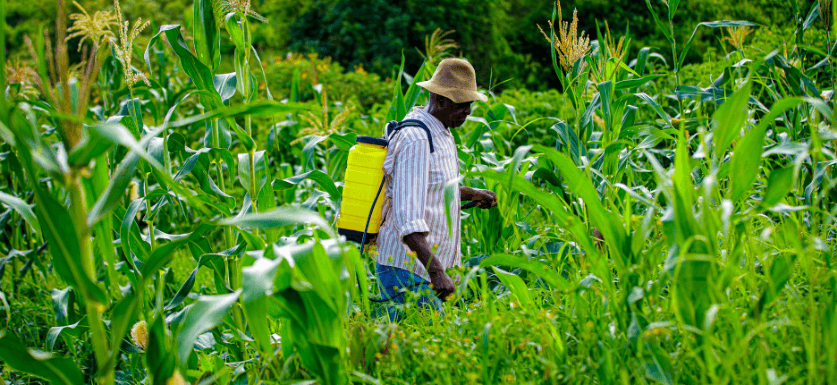
Agronomists are crop science experts who work to improve field crop production and soil management.
They study how plants grow, develop practical solutions for crop production problems, and help farmers implement best practices.
With the global population growing and arable land decreasing, agronomists play a crucial role in developing sustainable intensive farming methods.
This field offers opportunities to work directly with farmers, for agricultural companies, or in research institutions.
Career Opportunities
Crop Consultant
Advise farmers on crop selection, planting, and management.
Precision Agriculture Specialist
Implement technology-driven farming solutions using GPS, sensors, and data analytics.
Seed Production Agronomist
Oversee production of high-quality seeds for commercial use.
Research Agronomist
Conduct field trials to test new crop varieties and practices.
Extension Agent
Educate farmers about new agricultural techniques.
Soil Health Specialist
Focus on improving and maintaining soil quality for optimal crop production.
Roles and Responsibilities
Field Operations
- Conduct soil and plant tissue sampling and analysis
- Monitor crop growth and identify nutrient deficiencies
- Recommend fertilizer and pesticide application programs
- Implement irrigation scheduling and water management
- Diagnose and manage crop diseases and pest problems
Research and Development
- Design and execute field experiments and trials
- Evaluate new crop varieties and hybrids
- Test agricultural inputs and technologies
- Analyze data and prepare technical reports
- Develop sustainable farming system recommendations
Advisory Services
- Provide expert advice to farmers and agribusinesses
- Develop customized crop management plans
- Conduct farmer training and workshops
- Create educational materials and extension publications
- Stay current with agricultural research and innovations
Key Skills Required
Technical Skills
- Crop physiology and growth stage identification
- Soil science and fertility management
- Integrated pest management strategies
- Precision agriculture technologies
- Climate-smart agricultural practices
Analytical Skills
- Data collection and interpretation
- Problem diagnosis and solution development
- Experimental design and statistical analysis
- Yield potential assessment
- Economic analysis of farming systems
Professional Skills
- Communication with diverse stakeholders
- Project management and organization
- Adaptability to field conditions
- Continuous learning and knowledge sharing
- Business acumen for agronomic decision-making
Pros and Cons
Pros
- Opportunity to work outdoors and solve real-world problems
- Direct impact on food production and sustainability
- Diverse career paths from field to laboratory
- Growing demand for skilled agronomists globally
- Satisfaction of helping farmers improve their livelihoods
Cons
- Fieldwork can be physically demanding in various weather conditions
- Seasonal work pressures during planting and harvest
- Need to stay current with rapidly evolving technologies
- Potential exposure to agricultural chemicals
- May require travel to remote rural locations